当前位置:网站首页>堆排序和快速排序原理实现
堆排序和快速排序原理实现
2022-06-24 19:28:00 【翁炜强】
"I love computer technology"
----2021.8.25
堆排序:
#define _CRT_SECURE_NO_WARNINGS
#include<bits/stdc++.h>
#include <assert.h>
using namespace std;
template<typename T>
class MaxHeap
{
private:
	T* data;
	int _count;
	int capacity;
public:
	MaxHeap(T cap)
	{
		data = new T[cap + 1];
		_count = 0;
		this->capacity = cap;
	}
	~MaxHeap()
	{
		delete[]data;
	}
	int size()
	{
		return _count;
	}
	bool isEmpty()
	{
		return _count == 0;
	}
	void insert(T item)
	{
		//避免数组长度越界,若越界则不执行
		assert(_count + 1 <= capacity);
		data[_count + 1] = item;
		_count++;
		//进行插入操作后 可能破坏堆的结构 所以进行上溯操作
		percolate_up(_count);


	}
	//考虑到索引位置的问题,k值必须大于1才能有父节点
	void percolate_up(int k)
	{
		while (k > 0 && data[k / 2] < data[k])//与其父节点进行比较,确保父节点都是大的
		{
			swap(data[k / 2], data[k]);
			k = k / 2;
		}
	}
	T extractMax()
	{
		assert(_count > 0);
		T ret = data[1];
		swap(data[1], data[_count]);//删除第一个 让它和第一个进行交换
		_count--;
		percolate_down(1);
		return ret;
	}
	void percolate_down(int k)
	{
		while (2 * k <= _count)
		{
			int j = 2 * k;
			//选取左右节点中最大的
			if (j + 1 <= _count && data[j + 1] > data[j])
			{
				j = j + 1;
			}
			if (data[k] >= data[j])
			{
				break;
			}
			//比它小就交换
			swap(data[k], data[j]);
			k = j;
		}
	}
};
//推排序实现
template<typename T1>
void heapSort(T1 arr[], int n)
{
	MaxHeap<T1> maxHeap = MaxHeap<T1>(n);
	for (int i = 0; i < n; i++)
	{
		maxHeap.insert(arr[i]);
	}
	for (int j = n - 1; j >= 0; j--)
	{
		arr[j] = maxHeap.extractMax();
	}

}
int main()
{

	int a[10] = { 3,5,2,4,9,10,11,13,16,2 };
	//heapSort(a, 10);//输入你的容量
	heapSort(a, 10);
	for (int i = 1; i <= 10; ++i)
	{
		cout << a[i] << " ";
	}
}
快速排序:
#define _CRT_SECURE_NO_WARNINGS
#include<bits/stdc++.h>
using namespace std;
template<class T>
void quickSort(int left, int right, vector<T>& v)
{
	if (left >= right) { return; }
	int i = left, j = right;
	int base = v[left];
	while (i < j)
	{
		//假如key值设置为最左侧时 一定要先从右往左  反之若key值在右侧 则从右往搜索
		while (v[j] >= base && i < j)//若递减则改为while(v[j]<=base&&i<j){j--;}
		{
			j--;
		}
		while (v[i] <= base && i < j)//若递增则改为whike(v[j]>=base&&i<j){i++}
		{
			i++;
		}
		swap(v[i], v[j]);
	}
	v[left] = v[i];
	v[i] = base;
	quickSort(left, i - 1, v);
	quickSort(i + 1, right, v);
}
int main()
{
	vector<int> v = { 6,1,2,7,9,3,4,5,10,8 };
	quickSort(0, v.size() - 1, v);
	for (auto it : v)
	{
		cout << it << " ";
	}
}
边栏推荐
- SYSCALL_ Define5 setsockopt code flow
- Volcano becomes spark default batch scheduler
- 多路转接select
- 使用Adb连接设备时提示设备无权限
- (to be added) games101 job 7 improvement - knowledge you need to know to realize micro surface model
- Graduation summary of phase 6 of the construction practice camp
- Visit Amazon memorydb and build your own redis memory database
- Memcached comprehensive analysis – 3 Deletion mechanism and development direction of memcached
- 图的邻接表存储 数组实现
- Implementing DNS requester with C language
猜你喜欢

【吴恩达笔记】卷积神经网络

Tutorial on obtaining JD cookies by mobile browser

Memcached comprehensive analysis – 2 Understand memcached memory storage

Multiplexer select
memcached全面剖析–2. 理解memcached的内存存储
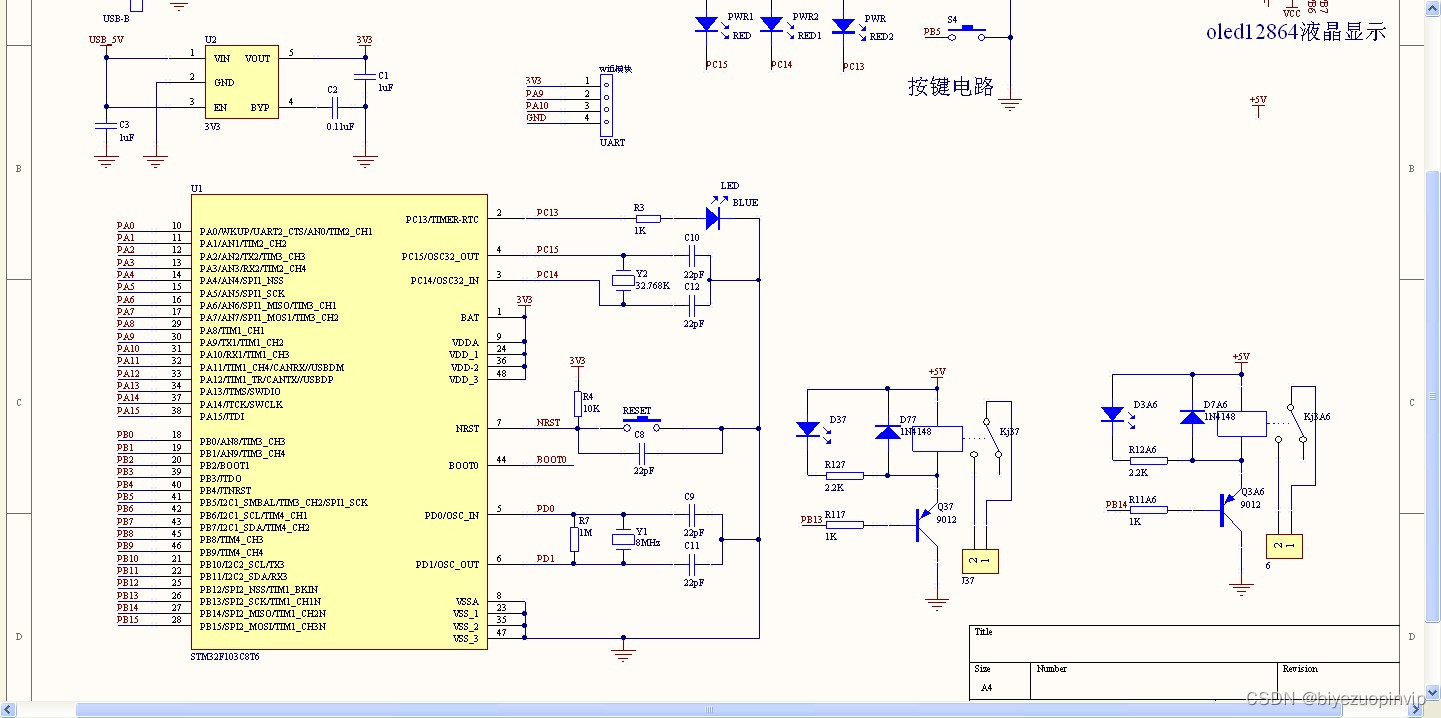
Intelligent fish tank control system based on STM32 under Internet of things

Analysis of BBR congestion control state machine

2022国际女性工程师日:戴森设计大奖彰显女性设计实力

Shengzhe technology AI intelligent drowning prevention service launched

Volcano成Spark默认batch调度器
随机推荐
(to be added) games101 job 7 improvement - knowledge you need to know to realize micro surface model
为什么生命科学企业都在陆续上云?
leetcode1720_2021-10-14
Dynamic routing protocol rip, OSPF
Pattern recognition - 9 Decision tree
Slider controls the playback progress of animator animation
socket(2)
Introduce the overall process of bootloader, PM, kernel and system startup
【吴恩达笔记】机器学习基础
CondaValueError: The target prefix is the base prefix. Aborting.
Unity关于本地坐标和世界坐标之间的转换
ping: www.baidu. Com: unknown name or service
手动事务的几个类
Volcano成Spark默认batch调度器
Network layer & IP
Unity about conversion between local and world coordinates
Memcached full profiling – 1 Fundamentals of memcached
介绍BootLoader、PM、kernel和系统开机的总体流程
Li Kou daily question - day 26 -496 Next larger element I
Blender's landscape