当前位置:网站首页>Final review of scientific and technological literature of Shandong University (Personal Crash Course)
Final review of scientific and technological literature of Shandong University (Personal Crash Course)
2022-06-22 21:20:00 【qq_ fifty-two million three hundred and seventy thousand and tw】
Review of the final exam for reading scientific and technological literature of Shandong University Personal Crash Course
Unit 20 References
Types
in-text references
end references
Citation styles
APA style
MLA style
IEEE style
Unit 19 Acknowledgements
Feature
Polite
Brief
Specific
Unit 18 Conclusion
Feature
restatement of the research question and thesis statement
summary of the main points in the article
discussion of the significance of the reasearch
presentation of the future of the subject
Types
Thesis-oriented conclusion
A.introductory statement
B.Consolidation of the reaserch space
C.Recommendations
Field-oriented conclusion
Unit 17 Discussion
Feature
from the specific to general
the same point view as that in the Introduction section
There are facts as well as opinions or comments in this section
Moves
Reviewing the present study
Consolidating the results
1.Reporting the results
2. Explaning the meaning of the findings and why they are important
3. Relating the results to those of similar studies
4. Providing alternative explanations for the results
Stating limitations and possible future research directions
Unit 16 Results
Feature
Be objective
Be logical
Be concise
Use non-verbal language
Use mixed tenses
Moves
Providing preparatory information
Describing the data in figures and tables
Reporting the results based on the data
Unit 15 Methods
This section includes
- materials
- instuments
- subjects
- procedures
- data collection
- data analysis
Types
- based on purpose:
basic research
applied rasearch - besed on methods:
non-experimental research
experimental research - based on orignality:
primary research
secondary research
Unit 14 Introduction
Moves
Establishing a territory:significance generalizations
Reviewing previous related research
Establishing a niche:indication of a gap,research questions
Occupying a niche:purpose,structure,pricipal purpose
Unit 13 Abstract
Five parts
- background
- problems
- methods
- results
- conclusion
Types
informative abstracts:summatizes the key information from every major section
indicative abstracts
structured abstracts
graphical abstracts
Unit12 Title and author affiliation
Title is characterized by
- using more nouns or noun phrases,or gerunds
- being brief and concise
- being specific
- using more compounds
Types
A.Declarative titles:states the main findings or conclusions
B.Descriptive titles
C.Interrogative titles( In doubt )
D.Compound titles
Author affiliation
The asterisk is the corresponding author
Unit 11 Standards
Provide requirements,specifications,guidelines,characteristics
Ensure materials,products,posesses and services are safe,reliable and consistent.
Types
Scope:
International standards
Regional standards
National standards
Professional standards
Institutional standards
Content:
Basic standards
Manufacturing standards
Standards of methods
Unit 10 Government publications
Types
- administrative type
conference records,judical documents,treaties,resolutions,rules and regulations. - scientific type
policies of science,research reports,popular science materials,technical policy documents
International government publications
UN publications
OECD publications
American government publications( Not easy to remember )
GPO publications
GPO monthly catalog
NTIS publications
Unit 9 Product specifications
Feature
Genuine
Scientific
Logical
Pratical
Types
industrial product specifications
agricultural product specifications
finicial product specifications
insurance product specifications
Financial insurance for workers and peasants
Unit 8 Patents
Patent protection -20 year
Filing a patent application :a request,a description,claims,drawings,summary
above all :claims
Types
Inventions
Utilities models
Designs
Copyright
Usually after the author dies 50-100 year
If co authored So after the death of the last author 70 year
If it's anonymous min( After the first publication 95 year , After the first creation 120 year )
Unit 7 Science news
Types
science news stories
science newsltters
science feature stories
science news commerntaries
Top ten science and technology news in the world It is released in the middle of January every year
Unit 6 Techical reports
Types
content
Research findings report
Technical information report
Technical specific report
Technical evaluation report
Technical proposal report
Operation instructions
Guidance report
Progress
Starting report
Report
Interim report
Final report
Scope
Top secret
confidential
Secret
Limit level
Unpublished
Decrypted
4 series of technical reports in America
AD
PB
NASA
DOE
Unit 5 Graduation papers
Types
bachelor’s degree
master’s degree
the graduation of doctorate
Differences between master and doctoral
The requirements for the doctoral thesis are brand new , Not studied
Differences between a graduation paper and a journal article
- Purpose
- length
- Abstract
- Method
- reference
- details
- review
- The number of authors
Unit 4 Conference documents
Types of conference documents
Before the meeting
In the meeting
After the meeting
Types of academic conferences
Conference(formal meeting)
Forum(public meeting involving audience discussion)
Lecture(long talk)
Panel(in front of an audience)
Seminar(give and discuss information on a particular topic)
Symposium( symposium )(several specialists deliever short addresses on a topic or on related topics)
Workshop(brief educational program)
Unit 3 Monographs( monograph )
Scholarly monographs
- It has to be phD Or a scientific research institution
- The book was published by the University Press 、 Printed by academic societies or other academic institutions
- The bibliography of the book finally lists all the documents in the study
Feature
Academicality
Creativity
Authoritativeness
Comprehensiveness
Systematiceness
Beyond time and space
academic creativity authoritative Comprehensive systematicness Beyond time and space
Difference between academic articles and monographs
- length
- structure
- Content
Unit 2 Journals
Types
original research articles
review articles
perspective,opinion or commerntary articles
book reviews
Journal metrics
- IF or JIF
- Eigenfactor( Characteristic factor )
- AIS
- SJR
- h-index( About the author )
- SNIP
- CiteScore
- Immediacy index( Index now )
- Total Cites
- Cited Half-Life( Reference half-life )
- JIF
Idetification code
- DOI
- IDS number
- ISSN 8 position ISBN 2017.1.1 front 10 position after 13 position
Citaion Index
SCI
EI
ISTP
A&HCI
SSCI
JCR
Unit 1 Inroduction of scientific literature
- Regardless of the specific area of science,the subjects of scientific literature include science itself,or the ideas,facts,laws and categories discovered by scientists.
- According to the form,scientific literature can be roughly classified into:
- journals
- monographs( monograph )
- conference documents
- graduation papers
- technical reports
- science news
- patents
- product specifications
- government publications
- standards
- According to the processing depth,scientific literature can be classified into:
- primary literature
- secondary literature
- tertiary literature
- Primary literature includes the original scientific materials published for the first time such as the papers that present novel scientific research,conference documents,patents,technical reports ,and standards .
- Secondary literature summarizes and synthesizes the primary literature,which includes review articles and books.
- Tertiary literature might consist of textbooks,encyclopedias( encyclopedia ),and similar works intended for broad public consumption.
- scientific literature presents some liguistic features in terms of style,morphology( morphology ) and syntax.
- Stylistic features:
A. formality
B. conciseness
C. directness
D. objectively
E.use of non-verbal language
- Morphologically,scientific literature is featured by use of technical and scientific jargon( Professional term ),nominalization( Nominal ) and heding( avoid ).
- TSJ can be divided into two categories:general TSJ (can be used in different fields with different meangings)and specific TSJ(the words that are usually restricted to the given fields).The former has a much larger number than the latter.
ps.MOOC: Review of the mid-term test of the science and technology literature of the Shandong University
边栏推荐
- [20. valid brackets]
- pytorch的模型保存加载和继续训练
- 华为云发布拉美互联网战略
- [21. merge two ordered linked lists]
- 2022 a special equipment related management (elevator) examination questions and simulation examination
- Easyclick fixed status log window
- R语言organdata 数据集可视化
- [redis] three new data types
- R语言AirPassengers数据集可视化
- Agricultural futures account opening
猜你喜欢

2022 question bank and simulated examination for work license of main principals of hazardous chemical business units

已解决:一个表中可以有多个自增列吗

【文末送书】火遍全网的AI给老照片上色,这里有一份详细教程!

R 语言nutrient数据集的可视化
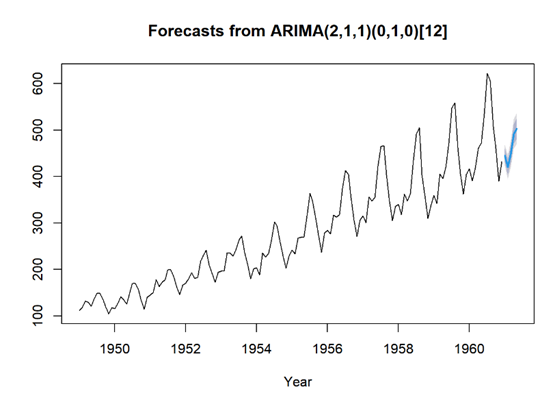
R language airpassengers dataset visualization

字节跳动提出轻量级高效新型网络MoCoViT,在分类、检测等CV任务上性能优于GhostNet、MobileNetV3!...

How swiftui simulates the animation effect of view illumination increase
![[redis] profile](/img/1c/05c06d59c9efb5983f877822db333c.png)
[redis] profile
Code to image converter

Numpy learning notes (6) -- sum() function

随机推荐
【20. 有效的括号】
[cm11 linked list splitting]
R language CO2 dataset visualization
EasyClick 固定状态日志窗口
R语言penguins数据集可视化
Xunrui CMS custom data interface PHP executable code
Visualization of wine datasets in R language
One line of code binds swiftui view animation for a specific state
Japanese anime writers and some of their works
≥server2012R2系统,禁用系统自带的部分计划任务
513. 找树左下角的值 / 剑指 Offer II 091. 粉刷房子
扩展Ribbon支持基于元数据的版本管理
Learning websites that programmers must see
las 点云创建网格
百家讲坛 大秦崛起(下部)
建立自己的网站(12)
2022 question bank and simulated examination for work license of main principals of hazardous chemical business units
【文末送书】火遍全网的AI给老照片上色,这里有一份详细教程!
The road to systematic construction of geek planet business monitoring and alarm system
es 按条件查询数据总条数