当前位置:网站首页>多线程与高并发六:线程池源码解析
多线程与高并发六:线程池源码解析
2022-06-28 02:48:00 【smartjiang-java】
文章目录
ThreadPoolExecutor源码解析
1、常用变量的解释
// 1. `ctl`,可以看做一个int类型的数字,高3位表示线程池状态,低29位表示worker数量
private final AtomicInteger ctl = new AtomicInteger(ctlOf(RUNNING, 0));
// 2. `COUNT_BITS`,`Integer.SIZE`为32,所以`COUNT_BITS`为29
private static final int COUNT_BITS = Integer.SIZE - 3;
// 3. `CAPACITY`,线程池允许的最大线程数。1左移29位,然后减1,即为 2^29 - 1
private static final int CAPACITY   = (1 << COUNT_BITS) - 1;

// 4. 线程池有5种状态,按大小排序如下:RUNNING < SHUTDOWN < STOP < TIDYING < TERMINATED
private static final int RUNNING    = -1 << COUNT_BITS;
private static final int SHUTDOWN   =  0 << COUNT_BITS;
private static final int STOP       =  1 << COUNT_BITS;
private static final int TIDYING    =  2 << COUNT_BITS;
private static final int TERMINATED =  3 << COUNT_BITS;


// 5. `runStateOf()`,获取线程池状态,通过按位与操作,低29位将全部变成0
private static int runStateOf(int c)     {
     return c & ~CAPACITY; }
// 6. `workerCountOf()`,获取线程池worker数量,通过按位与操作,高3位将全部变成0
private static int workerCountOf(int c)  {
     return c & CAPACITY; }
// 7. `ctlOf()`,根据线程池状态和线程池worker数量,生成ctl值
private static int ctlOf(int rs, int wc) {
     return rs | wc; }
// 8. `runStateLessThan()`,线程池状态小于xx
private static boolean runStateLessThan(int c, int s) {

    return c < s;
}
// 9. `runStateAtLeast()`,线程池状态大于等于xx
private static boolean runStateAtLeast(int c, int s) {

    return c >= s;
}
2、构造方法
public  ThreadPoolExecutor(int corePoolSize,
                          int maximumPoolSize,
                          long keepAliveTime,
                          TimeUnit unit,
                          BlockingQueue<Runnable> workQueue,
                          ThreadFactory threadFactory,
                          RejectedExecutionHandler handler) {

    // 基本类型参数校验
    if (corePoolSize < 0 ||
        maximumPoolSize <= 0 ||
        maximumPoolSize < corePoolSize ||
        keepAliveTime < 0)
        throw new IllegalArgumentException();
    // 空指针校验
    if (workQueue == null || threadFactory == null || handler == null)
        throw new NullPointerException();
    this.corePoolSize = corePoolSize;
    this.maximumPoolSize = maximumPoolSize;
    this.workQueue = workQueue;
    // 根据传入参数`unit`和`keepAliveTime`,将存活时间转换为纳秒存到变量`keepAliveTime `中
    this.keepAliveTime = unit.toNanos(keepAliveTime);
    this.threadFactory = threadFactory;
    this.handler = handler;
}
3、提交执行task的过程
public void execute(Runnable command) {

    if (command == null)
        throw new NullPointerException();
    /* * Proceed in 3 steps: * * 1. If fewer than corePoolSize threads are running, try to * start a new thread with the given command as its first * task. The call to addWorker atomically checks runState and * workerCount, and so prevents false alarms that would add * threads when it shouldn't, by returning false. * * 2. If a task can be successfully queued, then we still need * to double-check whether we should have added a thread * (because existing ones died since last checking) or that * the pool shut down since entry into this method. So we * recheck state and if necessary roll back the enqueuing if * stopped, or start a new thread if there are none. * * 3. If we cannot queue task, then we try to add a new * thread. If it fails, we know we are shut down or saturated * and so reject the task. */
    int c = ctl.get();
    // worker数量比核心线程数小,直接创建worker执行任务
    if (workerCountOf(c) < corePoolSize) {

        if (addWorker(command, true))
            return;
        c = ctl.get();
    }
    // worker数量超过核心线程数,任务直接进入队列
    if (isRunning(c) && workQueue.offer(command)) {

        int recheck = ctl.get();
        // 线程池状态不是RUNNING状态,说明执行过shutdown命令,需要对新加入的任务执行reject()操作。
        // 这儿为什么需要recheck,是因为任务入队列前后,线程池的状态可能会发生变化。
        if (! isRunning(recheck) && remove(command))
            reject(command);
        // 这儿为什么需要判断0值,主要是在线程池构造方法中,核心线程数允许为0
        else if (workerCountOf(recheck) == 0)
            addWorker(null, false);
    }
    // 如果线程池不是运行状态,或者任务进入队列失败,则尝试创建worker执行任务。
    // 这儿有3点需要注意:
    // 1. 线程池不是运行状态时,addWorker内部会判断线程池状态
    // 2. addWorker第2个参数表示是否创建核心线程
    // 3. addWorker返回false,则说明任务执行失败,需要执行reject操作
    else if (!addWorker(command, false))
        reject(command);
}
4、addworker源码解析
private boolean addWorker(Runnable firstTask, boolean core) {

    retry:
    // 外层自旋
    for (;;) {

        int c = ctl.get();
        int rs = runStateOf(c);

        // 这个条件写得比较难懂,我对其进行了调整,和下面的条件等价
        // (rs > SHUTDOWN) ||
        // (rs == SHUTDOWN && firstTask != null) ||
        // (rs == SHUTDOWN && workQueue.isEmpty())
        // 1. 线程池状态大于SHUTDOWN时,直接返回false
        // 2. 线程池状态等于SHUTDOWN,且firstTask不为null,直接返回false
        // 3. 线程池状态等于SHUTDOWN,且队列为空,直接返回false
        // Check if queue empty only if necessary.
        if (rs >= SHUTDOWN &&
            ! (rs == SHUTDOWN &&
               firstTask == null &&
               ! workQueue.isEmpty()))
            return false;

        // 内层自旋
        for (;;) {

            int wc = workerCountOf(c);
            // worker数量超过容量,直接返回false
            if (wc >= CAPACITY ||
                wc >= (core ? corePoolSize : maximumPoolSize))
                return false;
            // 使用CAS的方式增加worker数量。
            // 若增加成功,则直接跳出外层循环进入到第二部分
            if (compareAndIncrementWorkerCount(c))
                break retry;
            c = ctl.get();  // Re-read ctl
            // 线程池状态发生变化,对外层循环进行自旋
            if (runStateOf(c) != rs)
                continue retry;
            // 其他情况,直接内层循环进行自旋即可
            // else CAS failed due to workerCount change; retry inner loop
        }
    }
    boolean workerStarted = false;
    boolean workerAdded = false;
    Worker w = null;
    try {

        w = new Worker(firstTask);
        final Thread t = w.thread;
        if (t != null) {

            final ReentrantLock mainLock = this.mainLock;
            // worker的添加必须是串行的,因此需要加锁
            mainLock.lock();
            try {

                // Recheck while holding lock.
                // Back out on ThreadFactory failure or if
                // shut down before lock acquired.
                // 这儿需要重新检查线程池状态
                int rs = runStateOf(ctl.get());

                if (rs < SHUTDOWN ||
                    (rs == SHUTDOWN && firstTask == null)) {

                    // worker已经调用过了start()方法,则不再创建worker
                    if (t.isAlive()) // precheck that t is startable
                        throw new IllegalThreadStateException();
                    // worker创建并添加到workers成功
                    workers.add(w);
                    // 更新`largestPoolSize`变量
                    int s = workers.size();
                    if (s > largestPoolSize)
                        largestPoolSize = s;
                    workerAdded = true;
                }
            } finally {

                mainLock.unlock();
            }
            // 启动worker线程
            if (workerAdded) {

                t.start();
                workerStarted = true;
            }
        }
    } finally {

        // worker线程启动失败,说明线程池状态发生了变化(关闭操作被执行),需要进行shutdown相关操作
        if (! workerStarted)
            addWorkerFailed(w);
    }
    return workerStarted;
}
5、线程池worker任务单元
private final class Worker
    extends AbstractQueuedSynchronizer
    implements Runnable
{

    /** * This class will never be serialized, but we provide a * serialVersionUID to suppress a javac warning. */
    private static final long serialVersionUID = 6138294804551838833L;

    /** Thread this worker is running in. Null if factory fails. */
    final Thread thread;
    /** Initial task to run. Possibly null. */
    Runnable firstTask;
    /** Per-thread task counter */
    volatile long completedTasks;

    /** * Creates with given first task and thread from ThreadFactory. * @param firstTask the first task (null if none) */
    Worker(Runnable firstTask) {

        setState(-1); // inhibit interrupts until runWorker
        this.firstTask = firstTask;
        // 这儿是Worker的关键所在,使用了线程工厂创建了一个线程。传入的参数为当前worker
        this.thread = getThreadFactory().newThread(this);
    }

    /** Delegates main run loop to outer runWorker */
    @Override
    public void run() {

        runWorker(this);
    }

    // 省略代码...
}
6、核心线程执行逻辑-runworker
final void runWorker(Worker w) {

    Thread wt = Thread.currentThread();
    Runnable task = w.firstTask;
    w.firstTask = null;
    // 调用unlock()是为了让外部可以中断
    w.unlock(); // allow interrupts
    // 这个变量用于判断是否进入过自旋(while循环)
    boolean completedAbruptly = true;
    try {

        // 这儿是自旋
        // 1. 如果firstTask不为null,则执行firstTask;
        // 2. 如果firstTask为null,则调用getTask()从队列获取任务。
        // 3. 阻塞队列的特性就是:当队列为空时,当前线程会被阻塞等待
        while (task != null || (task = getTask()) != null) {

            // 这儿对worker进行加锁,是为了达到下面的目的
            // 1. 降低锁范围,提升性能
            // 2. 保证每个worker执行的任务是串行的
            w.lock();
            // If pool is stopping, ensure thread is interrupted;
            // if not, ensure thread is not interrupted. This
            // requires a recheck in second case to deal with
            // shutdownNow race while clearing interrupt
            // 如果线程池正在停止,则对当前线程进行中断操作
            if ((runStateAtLeast(ctl.get(), STOP) ||
                 (Thread.interrupted() &&
                  runStateAtLeast(ctl.get(), STOP))) &&
                !wt.isInterrupted())
                wt.interrupt();
            // 执行任务,且在执行前后通过`beforeExecute()`和`afterExecute()`来扩展其功能。
            // 这两个方法在当前类里面为空实现。
            try {

                beforeExecute(wt, task);
                Throwable thrown = null;
                try {

                    task.run();
                } catch (RuntimeException x) {

                    thrown = x; throw x;
                } catch (Error x) {

                    thrown = x; throw x;
                } catch (Throwable x) {

                    thrown = x; throw new Error(x);
                } finally {

                    afterExecute(task, thrown);
                }
            } finally {

                // 帮助gc
                task = null;
                // 已完成任务数加一
                w.completedTasks++;
                w.unlock();
            }
        }
        completedAbruptly = false;
    } finally {

        // 自旋操作被退出,说明线程池正在结束
        processWorkerExit(w, completedAbruptly);
    }
}
*/
注意:本文仅代表菜鸟博主的个人观点,如果哪里不对或者路过技术大大有更好的想法,欢迎留言告知,分享和交流使我们进步,谢谢。
边栏推荐
- Scalable storage system (I)
- No&nbsp; result&nbsp; defined&amp; nbsp…
- Tardigrade:Trino 解决 ETL 场景的方案
- Idea auto generate code
- Excel知识技能汇总
- WebSocket(简单体验版)
- Li Kou daily question - day 29 -575 Divide candy
- 2022 electrician (elementary) recurrent training question bank and online simulation examination
- Typescript union type
- How to automatically add author, time, etc. to eclipse
猜你喜欢

導入Excel文件,解决跳過空白單元格不讀取,並且下標前移的問題,以及RETURN_BLANK_AS_NULL報紅

Extensible database (Part 2)

可扩展数据库(上)

Self use tool unity video player that monkeys can use

数据库系列之InnoDB中在线DDL实现机制
Win 10出现bitlocke恢复,蓝屏错误代码0x1600007e

资源管理、高可用与自动化(中)

【PaddleDetection】ModuleNotFoundError: No module named ‘paddle‘

文件的相对路径写法
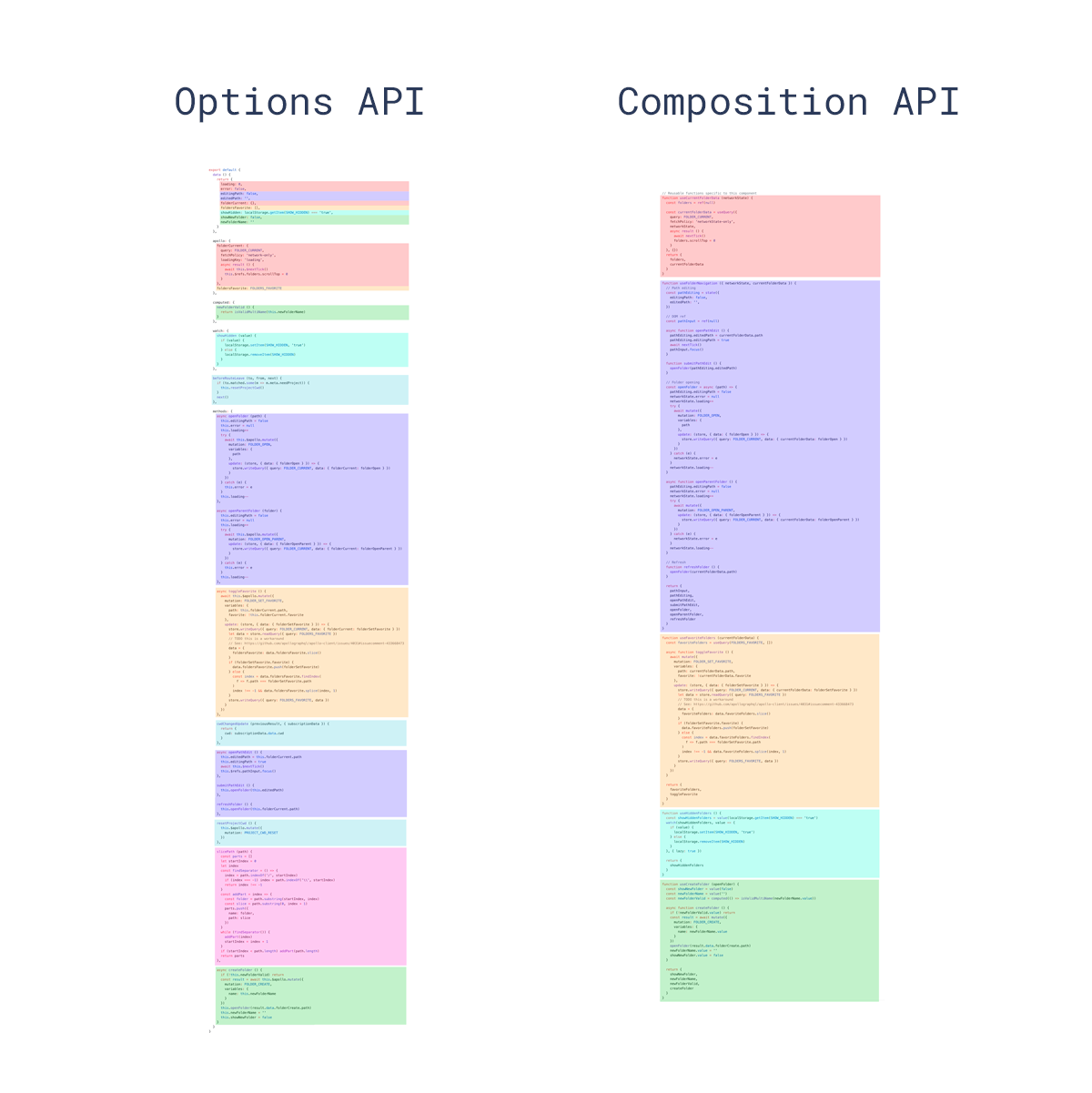
composition api在项目中的使用总结
随机推荐
爱普生L3153打印机如何清洗喷头
What is the difference between slice and array in go question bank 12?
Execution plan in MySQL of database Series
Etcd database source code analysis -- network layer server rafthandler between clusters
MySQL error
service实现类里面为何一直报红
文件的相对路径写法
WebSocket(简单体验版)
新手开哪家的证券账户是比较好?炒股开户安全吗
The same is MB. Why is the gap so large?
Lost connection repair: make "hide and seek" nowhere to hide
TypeError:&nbsp;&# 039; module&amp;# 03…
学习---有用的资源
2022 electrician (elementary) recurrent training question bank and online simulation examination
力扣每日一题-第29天-1491.去掉最低工资和最高工资后的平均工资
基于 LNMP 搭建个人网站的填坑之旅
可扩展数据库(上)
Extensible database (Part 2)
WARN:&nbsp; SQL&nbsp; Error:&nbsp;…
Sublime Text 3 基本配置教程